Source Impact Bar Front Bumper Reinforcement for Mining, Coal, and Transport
Compare 30 verified impact bar front bumper reinforcement options from Chinese manufacturers. These products feature abrasion resistance and flame retardant properties for use in chemical, grain, and underground coal mine applications; compare the available evidence and request quotations based on your requirements.
Key considerations
Products List


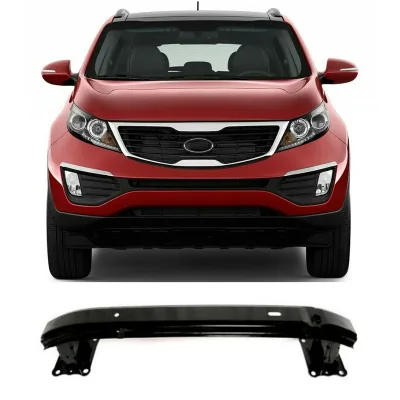
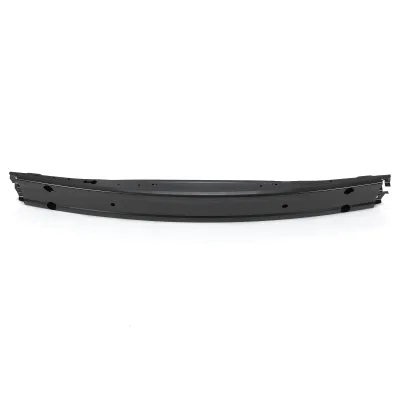
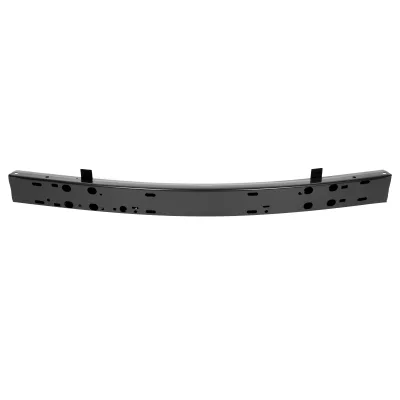


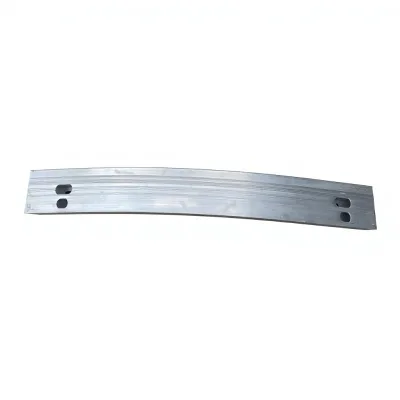


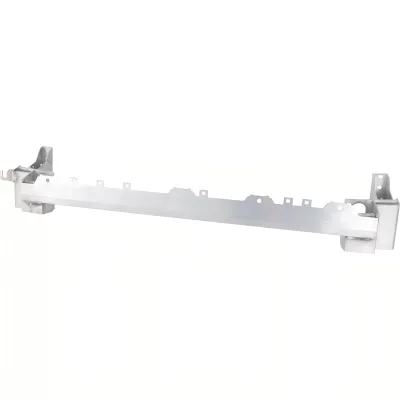


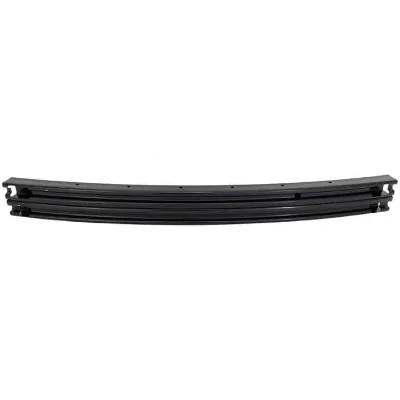

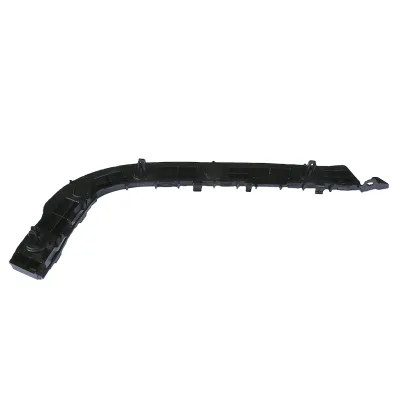


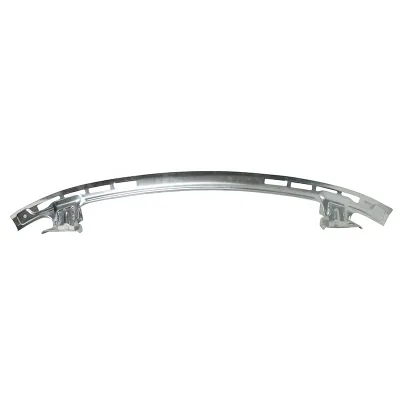
Comprehensive Sourcing Guide
Impact Bar Front Bumper Reinforcement Sourcing Guide
Procuring impact bars for front bumper reinforcement requires distinguishing between heavy-duty conveyor applications and general industrial shock absorption needs. The observed market data indicates these components are primarily engineered for chemical industries, grain transport, and underground coal mining environments where belt conveyors face significant material impact. Buyers must verify that the specific product listing aligns with their operational context, as some units are designed specifically to reduce shock and damage to conveyor belts rather than serving as automotive bumper reinforcements.
The product landscape includes variations such as impact beds and impact bars constructed from materials like UHMW-PE, rubber, or cast steel. While the core keyword suggests automotive use, the available supply chain data heavily features industrial conveyor solutions with flame-retardant and antistatic properties. Sourcing decisions should prioritize suppliers who explicitly state their material composition, such as SBR or NR rubber, and confirm whether the metal slot material is aluminum or iron to ensure compatibility with existing conveyor structures.
Product Scope and Observed Listing Signals
Buyers should scrutinize the listed product names and descriptions to confirm the specific function of the item, as listings often mix "Impact Bed" terminology with "Impact Bars." The observed inventory includes items with specific model numbers like Sm-Fat and Sm-N, which may indicate different structural designs or load-bearing capacities. It is critical to verify if the product is intended for heavy-duty belt conveyors or general industrial use, as the application scope directly influences the required durability and material selection for the reinforcement task.
Color and customization options serve as key signals for product flexibility, with listings offering orange, gray, blue, black, or custom requests. Some suppliers provide sheet materials in red, blue, green, or yellow, while others offer double-color options to meet specific safety or identification standards. Procurement teams must confirm if the requested color is a standard stock item or a custom order, as this distinction can affect lead times and minimum order quantities, particularly when specific visual identifiers are required for site safety protocols.
Technical Specifications to Verify
Technical verification must begin with the material composition, as the supply data highlights UHMW-PE, rubber, and cast steel as primary construction elements. Buyers need to confirm the molecular weight of UHMW-PE components, with observed ranges extending up to 920 million, which directly correlates to wear resistance and impact absorption capabilities. Additionally, the surface treatment process, whether polished or without processing, must be validated against the operational environment to ensure the component can withstand abrasion and impact without premature degradation.
Dimensional specifications and installation requirements are equally critical for successful integration into existing systems. The observed standard lengths range from 1000mm to 2000mm, with specific thicknesses varying between 50mm and 100mm depending on the model. Buyers must verify the installation assembly method, noting that some units utilize T-slot, nut, and washer configurations, while others require T-bolts. Ensuring the metal slot shape is customized to fit the specific conveyor frame is essential for maintaining structural integrity under heavy load conditions.
Compliance and Safety Documentation
Safety compliance is paramount, especially for applications in underground coal mines or chemical industries where flame retardancy is a mandatory requirement. The observed product attributes explicitly list flame-retardant and antistatic characteristics for UHMW-PE materials, which are essential for preventing ignition in hazardous environments. Procurement teams must request test reports or certification documents that verify these specific safety claims, ensuring the components meet the rigorous safety standards required for the intended industrial application.
Quality management systems and manufacturing certifications provide a baseline for supplier reliability and product consistency. The available data indicates that many suppliers hold ISO 9001 certification, with some also possessing SGS, GB, Ma, CE, and IATF16949 credentials. Buyers should verify that the specific batch of products being ordered is covered under these certifications and that the manufacturing process, whether casting or otherwise, adheres to the documented quality control procedures to ensure long-term performance and safety.
Cost Drivers and Commercial Terms
Pricing in this sector is highly variable, with observed ranges spanning from $2.50 to $200,000, driven by material costs, customization levels, and order volume. The significant price disparity suggests that factors such as the molecular weight of UHMW-PE, the type of rubber compound, and the complexity of the metal slot design are primary cost drivers. Buyers must understand that lower-priced items may be standard configurations, while higher costs often reflect custom dimensions, specialized surface treatments, or premium material grades required for heavy-duty applications.
Commercial terms, including minimum order quantities and packaging requirements, significantly influence the total cost of ownership. The observed MOQ ranges from 1 to 200 units, allowing for flexibility in small-scale testing or large-scale deployment. Packaging options vary from plywood cases and wooden cases to plastic pallets, and these choices can impact shipping costs and product protection during transit. Procurement teams should negotiate terms that align with their inventory strategy, ensuring that the packaging method protects the product from damage while optimizing logistics expenses.
Supplier Qualification and Quality Control
Supplier qualification should focus on verifying the company type and manufacturing capabilities, as the data confirms the presence of direct manufacturers in Suzhou and Kunshan, Jiangsu Province. Buyers must assess whether the supplier offers OEM services and has the capacity to produce customized metal slot shapes and specific model numbers like Sm-N or Sm-Fat. Direct manufacturer relationships often provide better control over the production process, allowing for more responsive adjustments to technical specifications and faster resolution of quality issues.
Quality control processes must be validated through the supplier's stated surface treatment methods and material consistency. The observed data includes both polished and unprocessed surface treatments, indicating that the final finish depends on the specific application requirements. Buyers should request evidence of the casting process or rubber molding techniques used, ensuring that the material features, such as abrasion resistance and impact resistance, are consistently met across all units in the production batch to prevent field failures.
Long-Term Procurement Checks
Long-term procurement success relies on verifying the warranty terms and expected service life of the impact bars. The observed warranty period is typically six months, which serves as a baseline for supplier confidence in product durability. Buyers should negotiate extended warranty terms or service level agreements that cover premature wear or failure, particularly for high-stress applications in mining or heavy-duty conveyor systems where downtime costs are substantial.
Continuous performance monitoring is essential to validate the wear resistance and structural integrity of the installed components over time. Buyers should establish a schedule for inspecting the impact bars for signs of degradation, ensuring that the flame-retardant and antistatic properties remain effective throughout the product's lifecycle. Regular audits of the supplier's quality control records and material certifications will help maintain a reliable supply chain and ensure that replacement parts continue to meet the original technical and safety specifications.
FAQs
What materials are used for impact bars?
Impact bars are typically manufactured from rubber, cast steel, or aluminum. Rubber variants often utilize SBR or NR compounds, while UHMW-PE sheets provide flame retardant and antistatic properties. Metal slots may be constructed from aluminum or iron to ensure structural integrity and abrasion resistance for heavy-duty conveyor applications.
Can impact bars be customized for specific applications?
Yes, customization is available for impact bars to meet specific operational requirements. Buyers can request custom colors such as orange, gray, blue, or black. Additionally, metal slot shapes and product specifications can be tailored to fit unique conveyor belt systems, ensuring optimal shock reduction and damage prevention during material transport.
What certifications do impact bar manufacturers hold?
Manufacturers of impact bars generally hold ISO 9001 certification, ensuring quality management standards are met. Some suppliers also provide CE, SGS, GB, MA, and IATF16949 certifications. These credentials verify that the production processes, including casting and surface treatments like polishing, adhere to recognized international and industry-specific quality benchmarks.
How are impact bars installed on conveyors?
Impact bars are installed using T-slot, T-bolt, nut, and washer assemblies. This hardware allows for secure attachment to the conveyor frame. The installation method ensures the bars remain firmly in place to reduce shock and protect the conveyor belt from damage caused by falling materials, facilitating easy maintenance and replacement when necessary.
What is the warranty period for impact bars?
The standard warranty period for impact bars is typically six months. This coverage applies to manufacturing defects and ensures product reliability during initial operation. Buyers should verify specific warranty terms with the supplier, as conditions may vary based on the material type, such as rubber or steel, and the intended application environment.
Where are impact bars manufactured?
Impact bars are primarily manufactured in China, with specific production hubs located in Suzhou, Jiangsu, and Kunshan, Jiangsu Province. These regions are known for their industrial capabilities in producing conveyor components. Buyers can source products directly from these locations, ensuring access to established manufacturing facilities with documented quality standards and export experience.